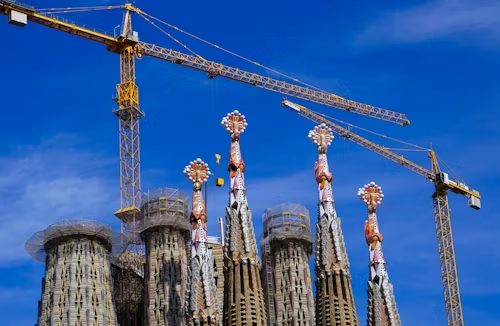
Imagine you are driving through an empty field. A year later, a huge new community center stands there, full of people and life. The journey from space to finished building is one of the most complex and rewarding journeys humans have undertaken.
This is a creation Construction story. But what separates a stressful, over-budget, delayed project from a smooth, successful, ul and profitable project? The answer lies not in magic, but in method.
Table of Contents
1. The Human Blueprint: Communication is Your Foundation
Before a single shovel hits the soil, the maximum vital phase of creation starts: negotiation. A blueprint is more than lines on paper; This is a shared vision. If that vision isn’t always clear to anyone, the challenge is built on shaky ground.
A successful production task is dependent on clear communication. This manner:
Speak the same language: Architects, engineers, and businessmen regularly have one-of-a-kind jargon. A desirable assignment manager interprets among those companies and ensures that everybody understands the aim. Instead of simply announcing “install frame”, they make clear, “the west wall frame has to be leveled and secured with particular anchors earlier than concrete is poured on Thursday”.
Build a way of life of openness: The worst issue that can manifest at a site is that an employee sees a problem but is afraid to speak up. Humanizing the construction manner way empowering every single individual from apprentice to foreman to raise their hand without worry. A simple, “Hey, I assume there is probably a problem with this dimension,” can store thousands of greenbacks and weeks of rework.
Regular, structured meetings: Daily huddles for the on-web page group and weekly test-ins with clients keep everyone united. These conferences aren’t about blaming; They are about fixing troubles together. This collaborative spirit is the heart of contemporary construction.
When communication is prioritized, the entire building process will become a symphony rather than a cacophony of disjointed sounds.
2. The Art of Pre-Construction: Planning for the Inevitable
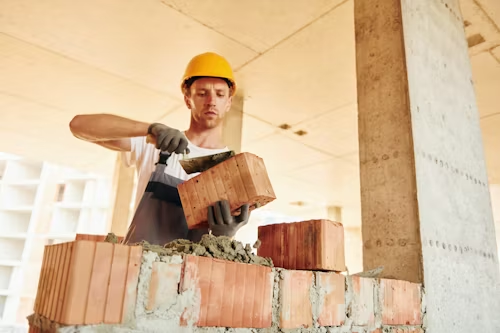
They say, “Failing to plan is planning to fail,” and nowhere is this more true than in construction. The pre-construction phase is where you sweat the details so the place doesn’t bleed.
Complete pre-construction is what makes a project 100 percent more flexible to the surprises that always pop up. This stage includes:
Detailed cost estimate: This goes beyond a rough estimate. It is a living document that represents materials, labor, equipment, permits, and a contingency fund for the unexpected. An honest budget is the hallmark of a reliable construction partner.
Realistic planning: A good schedule understands that people need rest, weather changes, and content delivery can be delayed. This “fleet” is built on time so that even a single delay does not derail the entire project. This type of realistic planning reduces stress for everyone involved.
Identify risks early: What if the soil is unstable? What if a key item is backordered? “What if?” By starting by asking, the team can develop plans B and C. This proactive approach to construction management is a game-changer.
3. Your Project’s Best Friend: The Right Team
A building is not built by a corporation; It is made by humans. The success of your construction project is 100 percent linked to the quality, skills, and attitude of the people you employ. Team selection will be your most important decision.
Humane construction means looking beyond the lowest bid. This means applying:
Competence and experience: Do they have a documented track record of this type of project? Look at their past work and talk to previous clients.
Integrity and transparency: You need a team that will tell you the hard truth, not just what you want to hear. Trust is the foundation of any successful construction project.
Investing time in choosing a team is an investment in your security. A good team doesn’t just create structures; They build trust.
4. The Money Talk: Transparent Budgeting and Financial Health
Money is often the most stressful part of any construction project. Unexpected costs can create stress and reduce trust. Therefore, one cannot compromise on transparent financial management.
A people-centred approach to construction finance means being 100 per cent open about money. These include:
A detailed and itemized budget: The customer should understand what they are paying for, down to the line item. No hidden fees, no mystery fees.
Clear procedures for change orders: Changes are a normal part of production. But how they are handled makes a big difference. A good process includes a written change order that clearly states cost and schedule impacts before the work is completed. This prevents unpleasant surprises on the final bill.
When everyone feels financially respected and secure, the focus can be on the quality of construction rather than discussing costs.
5. Safety First is Safety Always: Protecting Your Most Valuable Asset
A construction website online is an inherently dangerous region. But a secure website isn’t always a twist of fate; it is a lifestyle. The maximum valuable asset on any production project is not the materials or the gadget—it is the human beings.
A commitment to protection ought to be a hundred percent, every single day. This goes past tough hats and metallic-toed boots. It’s about:
Proactive Training: Regularly schooling crews on the particular hazards in their modern-day duties and the way to manage them.
Empowering Everyone to Stop Work: Any employee, at any time, ought to have the authority and duty to halt work if they feel a situation is hazardous. This human-centric protection coverage saves lives.
Caring for Well-being: This method offers clean water, colour on warm days, and respecting limits to prevent exhaustion. A worn-out worker is a hazardous worker. Humanizing construction protection way being concerned for the entire character.
A safe venture is a successful challenge. In a manner, employees move domestically to their households every night, and it also fewer delays due to injuries. It’s absolutely the right component to do.
6. Embracing the Digital Toolbelt: Technology as a Helper
The image of construction as a low-tech industry is outdated. Today, technology is a powerful tool that, if used correctly, makes the process easier, safer, and more accurate. The goal of technology in manufacturing is to handle repetitive tasks, so people can focus on solving complex problems.
Integrating the right technology can make your project 100 percent more efficient. Consider:
Building Information Modeling (BIM): It is like a 3D, intelligent digital twin of the building. This allows architects, engineers, and builders to identify conflicts (such as a pipe going through a beam) before they are built into the physical structure. This saves a lot of time and money.
Project management software: Tools like Procore or PlanGrid keep drawings, schedules, change orders, and communications in one central, cloud-based location. Everyone is always looking at the latest version, which reduces errors.
7. The Final Mile: Quality Control and Project Closeout
The final phase of a construction project is just as important as the beginning. A hasty closing can ruin months of good work. This phase is about being proud of the finished product and ensuring a smooth handover.
A professional execution process ensures that the project is carried out 100 percent to the client’s satisfaction. These include:
Punch lists with a personal touch: A “punch list” is a list of small tasks that need to be completed. Visiting the site with the client and key subcontractors to create this list ensures that nothing is missed and everyone is on the same page.
Organized documentation: Handing over a neat folder (or digital file) with all warranties, manuals, and as-built drawings is a gift to the building owner. This shows care and makes future maintenance easier.
8. Building a Legacy, One Project at a Time
By focusing on these seven strategies—communication, planning, team, transparency, security, technology, and closure—you go beyond just building structures. You build relationships, trust, and a reputation for excellence.
A flawless project is not a fantasy. It is a natural result of a humanitarian approach to construction, where every person involved is valued, every detail considered, and every step taken with purpose and care. Your journey to a flawless project begins with a single, intentional decision to build not just with materials, but with humanity.
Q1: What’s the most critical factor in ensuring construction project success?
A: Clear planning and communication. Aligning goals, timelines, budgets, and team roles from day one prevents costly delays and rework.
Q2: How can technology improve construction project outcomes?
A: Modern tools like BIM (Building Information Modeling), drones, and project management software boost accuracy, safety, and efficiency—reducing errors by up to 30%
Q3: Why do so many construction projects go over budget?
A: Unplanned changes, poor risk assessment, and supply chain issues are top culprits—but strong upfront strategy and contingency planning can keep costs under control.